
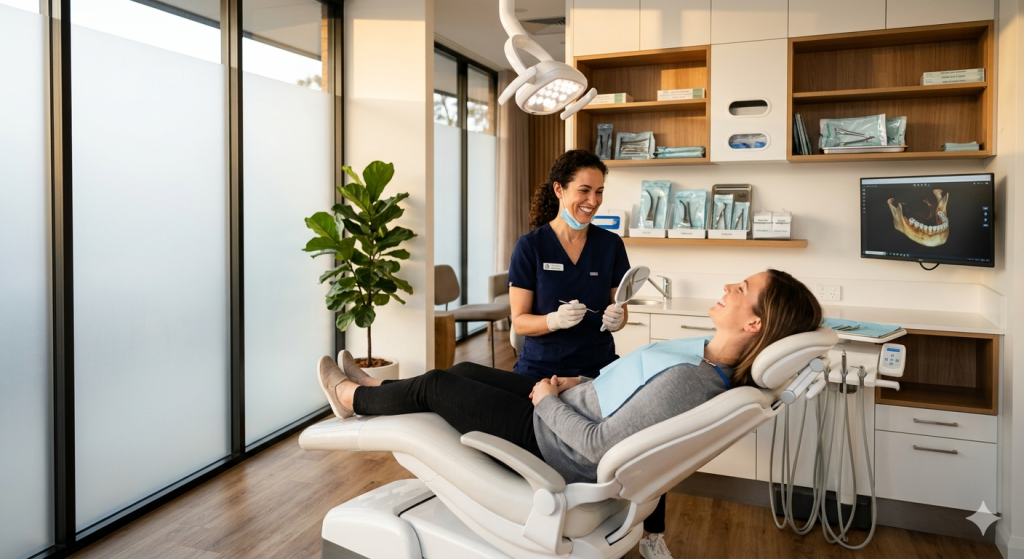
When a dental emergency strikes in New Albany, IN, knowing where to turn can make all the difference. Whether it’s a sudden toothache, a knocked-out tooth, or severe pain, prompt care is essential to prevent complications and relieve discomfort. An emergency dentist in New Albany, IN provides quick, compassionate treatment to address urgent dental issues and protect your oral health.
These dentists offer flexible appointment times and use modern techniques to ease pain and fix problems efficiently. They understand that emergencies can be stressful, so they focus on making patients feel comfortable and supported from the moment they walk in.
Finding a trusted emergency dentist means having peace of mind that expert help is available when you need it most. It’s a good idea to know your options ahead of time, so you’re ready if a dental crisis arises.
When to Seek Urgent Dental Care
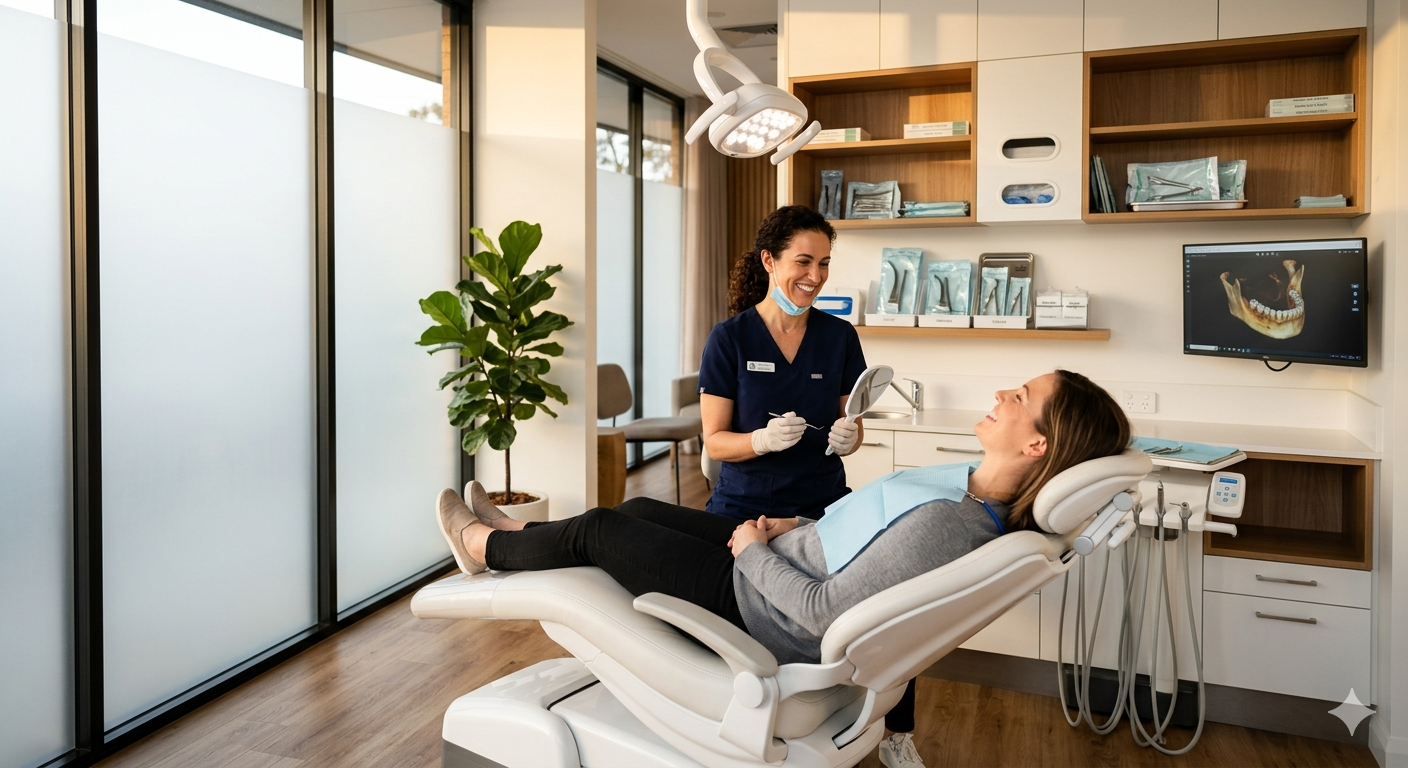
Dental emergencies can be confusing, especially when deciding if immediate care is necessary. Knowing the specific situations that require prompt attention and understanding what to do beforehand can help ease stress and protect your oral health.
Common Dental Emergencies
A few dental issues always warrant urgent care. Severe toothaches caused by infection or damage often require quick treatment to relieve pain and prevent complications.
Other emergencies include knocked-out teeth, loose crowns or fillings, and broken teeth exposing the nerve. Heavy bleeding in or around the mouth following trauma also demands prompt care.
Infections like abscesses that cause swelling, fever, or difficulty swallowing or breathing are serious and must be addressed immediately. Delaying treatment in these cases can worsen the problem quickly.
Recognizing Signs You Need Immediate Attention
Certain symptoms clearly indicate immediate dental attention is necessary. Intense, persistent pain that doesn’t respond to over-the-counter painkillers should never be ignored.
Swelling around the face or jaw, especially if it grows rapidly, is a red flag. Difficulty breathing or swallowing alongside dental pain means urgent medical help is needed.
Bleeding that won’t stop within 15 minutes or after applying pressure is also critical. Changes in consciousness or severe injury from accidents require emergency dental or medical intervention without delay.
What to Do Before Visiting the Dentist
Before seeing the emergency dentist, try to keep calm and control any bleeding with clean gauze or cloth. Avoid touching the injured area with your fingers or tongue to reduce irritation.
If a tooth is knocked out, gently rinse it with water but don’t scrub. Place the tooth back in its socket if possible, or keep it in milk or saliva until arrival.
For pain, use cold compresses on the outside of your cheek to reduce swelling. Avoid very hot or cold foods that might worsen tooth sensitivity. Taking over-the-counter pain relievers as directed can help manage discomfort.
Services Offered During Dental Emergencies
When sudden dental problems arise, prompt, precise care is essential to ease pain and prevent further damage. Specific treatments focus on relieving discomfort, restoring tooth structure, and preserving natural teeth whenever possible.
Pain Relief and Toothache Treatment
Emergency dentists prioritize pain relief to bring immediate comfort. They carefully evaluate the source of the toothache, which may come from infection, decay, or trauma. After diagnosis, treatments often include prescribing pain medications or antibiotics to control infection.
For less severe pain, the dentist might apply a temporary filling or dental cement to protect a sensitive area. In some cases, root canal therapy is necessary to remove infected tissue inside the tooth, reducing inflammation and saving the tooth from extraction.
Patient comfort is key during these visits. Dentists use local anesthesia and offer calming techniques to help manage anxiety while efficiently addressing the pain.
Repairing Chipped or Broken Teeth
Chipped or broken teeth are common in accidents and sometimes cause sharp edges or sensitivity. Emergency dentists carefully assess the damage, including potential cracks that extend below the gum line.
Treatment options depend on the severity of the break. Small chips can be smoothed out or repaired with tooth-colored bonding material. Larger breaks often require dental crowns to restore function and appearance.
If tissue damage or infection is present, the dentist may recommend additional procedures like root canal therapy or antibiotics to prevent complications. These restorative steps help patients maintain a natural smile and prevent worsening damage.
Managing Knocked-Out Teeth
A knocked-out tooth is a dental emergency that requires immediate action for the best chance at saving the tooth. Dentists advise patients to retrieve the tooth carefully by the crown, avoid touching the root, and keep it moist by placing it in milk or saline.
At the emergency visit, the dentist will clean the tooth and socket to reduce infection risk and then attempt to reimplant the tooth. Stabilization involves securing the tooth to adjacent teeth with a splint for a few weeks.
Follow-up care includes monitoring for nerve damage and promoting healing. Timely treatment significantly increases the likelihood the tooth can be saved permanently.
Modern Techniques for Gentle Emergency Care
Emergency dental care today focuses on reducing pain and preserving as much natural tooth structure as possible. Patients benefit from advanced tools and methods that speed healing and improve comfort during urgent treatments.
Minimally Invasive Procedures
Minimally invasive techniques aim to fix problems without extensive drilling or extraction. Dentists use tools like high-precision lasers to remove decay while protecting healthy tissue. This approach preserves the tooth’s strength and reduces treatment time.
Dentists also use dental bonding and sealants to quickly repair chips or cracks, avoiding more complex restorations. These methods lower the risk of infection and help healing by limiting trauma. Patients often experience less sensitivity afterward.
The focus is always on achieving lasting results with the gentlest touch. This means fewer visits and a smoother recovery for those dealing with unexpected dental pain or injury.
Advanced Pain Management Options
Modern emergency dentists use more than traditional local anesthesia. They often apply topical numbing gels before injections to reduce the sting. Some offices offer sedation options like nitrous oxide (laughing gas) or oral sedatives for nervous patients.
Pain control extends beyond the office visit. Dentists might recommend specific over-the-counter or prescription medications tailored to the severity of the emergency. Ice packs and gentle rinses are also advised to manage swelling and discomfort.
These options ensure patients feel safe and calm throughout their treatment, making emergency visits less stressful and more manageable. Comfort is a top priority during every step of care.
What to Expect During Your Emergency Visit
During an emergency dental visit, patients can expect quick action combined with a clear plan tailored to their needs. The focus is on identifying the problem efficiently, providing relief, and beginning appropriate treatment as soon as possible.
Initial Assessment and Diagnosis
When patients arrive, the dental team first gathers information about the injury or pain. They ask about symptoms, how the injury occurred, and any medical history that might affect treatment. This helps prioritize care accurately.
Next, the dentist performs a thorough examination of the teeth, gums, and jaw. Diagnostic tools like X-rays are often used to pinpoint fractures, infections, or other hidden issues. This step ensures the cause is clearly understood before moving forward.
The dentist also assesses pain levels and any swelling or bleeding present. This allows them to address urgent issues, such as infection or severe damage, which might require immediate intervention or medication.
Personalized Treatment Plans
After diagnosis, the dentist discusses treatment options based on the patient’s specific condition. Plans focus on stopping pain and preventing further damage, whether through temporary fixes or more permanent solutions.
Treatments may range from simple procedures like cleaning and applying medication to more involved care such as root canals, extractions, or restorations. The dentist explains each option, expected outcomes, and recovery times.
Patient comfort remains a priority throughout. The dentist will often use numbing agents or sedation if necessary and ensures the patient understands the steps involved. Follow-up care and preventive advice are also part of the plan to help avoid future emergencies.
Steps to Prevent Future Dental Emergencies
Preventing dental emergencies often comes down to smart habits and timely care. Simple steps like protecting teeth during activities and attending regular checkups can drastically reduce the risk of unexpected dental problems.
Protective Strategies for Your Teeth
Wearing a mouthguard during sports or high-impact activities is one of the best ways to defend teeth from sudden injury. Custom-fitted guards provide better protection than generic ones found in stores. Avoid chewing hard objects like ice, popcorn kernels, or pens, which can crack or chip teeth.
Using tools as intended also matters. For example, don’t use teeth to open packages or bottles, as this can cause damage. Maintaining good oral hygiene keeps teeth strong and lowers the chance of cavities or infections that might lead to emergencies.
Regular Dental Checkups
Seeing the dentist every six months helps catch issues before they turn into emergencies. Dentists can spot small problems like cavities, gum disease, or loose fillings early on. Professional cleanings remove plaque build-up, reducing decay risk.
During checkups, X-rays can reveal hidden problems under the gums or inside teeth. If any signs of potential emergencies are found, the dentist can recommend treatment to prevent more serious damage. Regular visits also give patients a chance to discuss concerns and get personalized advice for their dental health.
Choosing a Trustworthy Emergency Dentist Near You
Finding the right emergency dentist means considering care quality and quick access. The dentist’s experience with urgent issues and how well they connect with patients can make emergencies less stressful. Also, local practices bring unique benefits that improve treatment and recovery.
Qualities to Look For in a Dental Care Provider
A trustworthy emergency dentist should have strong credentials and extensive experience in handling urgent dental problems. Look for board certification, relevant specialty training, and years of practice in emergency care.
Patient comfort is key. The dentist should offer clear communication, explain treatment options compassionately, and use modern equipment to minimize pain. Flexible hours, including evenings and weekends, matter because emergencies often happen outside regular office times.
Check for positive reviews mentioning prompt attention and successful treatment. A practice that accepts your insurance and offers transparent pricing helps reduce financial stress during urgent visits.
How Local Care Supports Your Health
Choosing a nearby dentist means faster response times when every minute counts. Local dentists understand common regional dental issues and can coordinate smoothly with other local healthcare providers if follow-up care is needed.
Community-based dental offices tend to build long-term patient relationships, leading to personalized care. They can often access your dental history quickly, speeding up diagnosis and treatment.
Having a trusted emergency dentist in New Albany, IN, close by not only reduces travel time but also supports ongoing dental health through familiar, consistent care. This connection encourages regular checkups that might prevent future emergencies.
Next Steps for Peace of Mind
After handling a dental emergency, the best next step is to follow up with a dentist for a thorough checkup. This helps ensure no hidden problems remain and gives the patient a clear picture of their oral health.
Scheduling a routine visit soon after the emergency allows the dentist to assess healing and offer advice tailored to the situation. They might suggest treatments to prevent future issues or recommend changes in daily care habits.
Patients should keep an eye on any symptoms like swelling, pain, or changes in tooth appearance. If discomfort persists beyond a few days, it’s wise to call the dental office promptly.
Here’s a simple checklist to help with recovery:
- Follow post-treatment care instructions carefully
- Use gentle oral hygiene techniques
- Avoid hard or sticky foods
- Take recommended pain relievers as directed
Modern emergency dental clinics in New Albany, IN, focus on patient comfort and swift care. Their goal is to make each visit as stress-free as possible while providing effective treatment options that fit individual needs.
Encouraging patients to ask questions or share concerns leads to better care and confidence in their dental health. A friendly phone call or consultation can bring reassurance and clear guidance on what to do next.
Frequently Asked Questions
Knowing when dental issues require immediate care can save pain and prevent complications. Understanding after-hours options, initial steps for common injuries, signs of serious infections, and where to turn for urgent care helps patients stay prepared. Location matters too, especially near state borders.
What counts as a true dental emergency versus something that can wait until tomorrow?
True emergencies include severe tooth pain, uncontrollable bleeding, knocked-out teeth, or sudden swelling affecting breathing or swallowing. Mild discomfort, loose fillings, or minor chips usually can wait for a next-day appointment.
How can I get help if I need a dentist after hours or in the middle of the night?
Many emergency dentists offer on-call services or have 24/7 hotlines. Local clinics in New Albany often provide guidance for urgent care during nights or weekends.
What should I do right away if I crack a tooth or lose a filling and I’m in pain?
Rinse your mouth gently with warm water. Avoid chewing on the affected side and apply a cold compress to reduce swelling. Over-the-counter pain relievers may help until you see a dentist.
How can I tell if a tooth infection is serious, and what does the “3-3-3 rule” mean?
Serious infections usually cause swelling lasting more than 3 days, pain that wakes you up at night, or fever over 100.3°F. The “3-3-3 rule” helps recognize urgent signs: swelling for 3+ days, fever above 99.5°F lasting 3 days, or pain severe enough to need medication every 3 hours.
What are my options if I have a dental emergency but don’t have a regular dentist yet?
Emergency dental clinics and walk-in centers can provide immediate relief and evaluation. They can also refer you to a regular dentist for follow-up care once the urgent problem is addressed.
If I’m close to the Kentucky border, should I seek urgent dental care locally or across the river?
It depends on convenience and office hours. New Albany offers several emergency dental providers with timely care. Crossing into Kentucky is an option if a particular provider or service better meets your needs.