
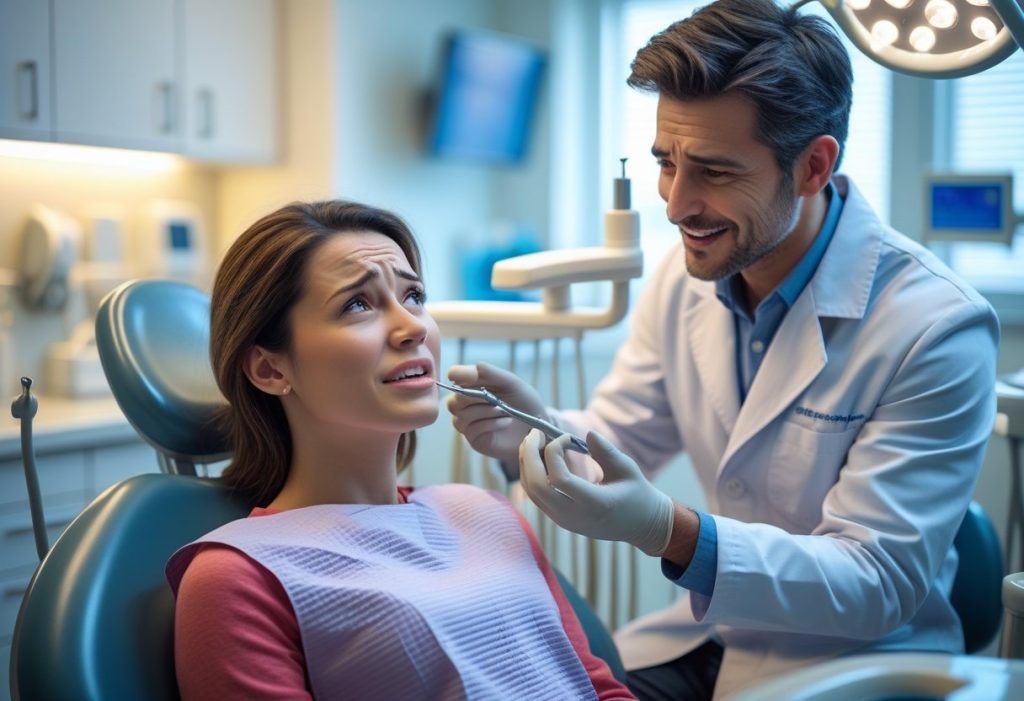
A dental emergency can strike without warning—a sudden toothache, a broken crown, or a knocked-out tooth can turn a normal day into a stressful one. Knowing how to act in those first few moments can protect both comfort and oral health. In any dental emergency, the most important step is to stay calm, manage the immediate issue, and contact a dentist as quickly as possible.
Quick action often makes the difference between saving or losing a tooth. Simple steps like keeping a dislodged tooth moist, rinsing with warm water, or gently applying pressure to control bleeding can prevent further damage. With the right approach and prompt care, they can ease pain and preserve their smile until professional help is available.
A trusted dentist can guide them through proper treatment and offer preventive advice to avoid future emergencies. Staying prepared with some basic know-how brings peace of mind when the unexpected happens.
Key Takeaways
- Acting quickly and calmly protects oral health during a dental emergency
- Simple first-aid steps can limit pain and damage before professional care
- Regular dental visits and preventive habits reduce the risk of future emergencies
Understanding Dental Emergencies

Dental emergencies demand quick decisions and calm action to prevent lasting damage. Recognizing symptoms, knowing what steps to take, and understanding why timing matters can help protect both comfort and oral health.
What Qualifies as a Dental Emergency
A dental emergency involves any situation that requires immediate attention to relieve severe pain, stop bleeding, or save a tooth. Issues like persistent tooth pain, facial swelling, knocked-out teeth, or uncontrolled bleeding often signal urgent care is needed. These problems can worsen rapidly if ignored.
Some conditions—such as a lost filling or minor chip—may cause discomfort but are not always urgent. However, when pain interferes with eating, sleeping, or daily activities, professional evaluation should not wait. It’s best for patients to contact their dentist even if they are unsure, as dental professionals can quickly assess whether an in-person visit or home care advice is most appropriate.
When in doubt, a simple rule helps: if the situation involves pain, swelling, bleeding, or trauma, treat it as an emergency until confirmed otherwise by a dentist.
Common Types of Dental Emergencies
Dental emergencies come in several forms, each with different priorities for care.
Common examples include:
| Type of Emergency | Description | Immediate Step |
|---|---|---|
| Tooth Knocked Out (Avulsion) | Entire tooth displaced from socket | Keep it moist in milk or saline; seek care within 30–60 minutes |
| Severe Toothache | Intense, persistent pain possibly due to infection or decay | Rinse gently, avoid pressing on the tooth, schedule urgent visit |
| Broken or Cracked Tooth | Injury exposing inner layers | Rinse with warm water, avoid chewing on the area, see dentist |
| Abscess or Swelling | Infection causing pain or fever | Do not apply heat; contact dentist or urgent care immediately |
| Soft Tissue Injury | Damage to lips, tongue, or gums | Apply pressure for bleeding, rinse gently, seek professional help |
Each type requires calm handling and quick communication with the dental office. Even minor issues can escalate into infections or tooth loss without timely care.
Why Prompt Action Matters
Acting quickly often makes the difference between saving and losing a tooth. Teeth that have been knocked out can sometimes be replanted successfully if treated within an hour. Likewise, early response to infection prevents it from spreading to nearby tissues or the bloodstream.
Delays not only increase pain but may also make treatment more complex or costly. Prompt attention allows dentists to use less invasive methods and manage discomfort faster.
By knowing when and how to step in, patients maintain better long-term oral health and peace of mind. Whenever signs of dental trouble appear, contacting a trusted dentist right away remains the safest step forward.
Immediate Steps to Take in a Dental Emergency
Prompt and careful action during a dental emergency can protect a tooth, reduce pain, and prevent long-term damage. Quick thinking and a few simple steps help stabilize the situation until professional care is available.
How to Stay Calm and Assess the Situation
Remaining calm helps a person think clearly and act efficiently. Panic can make it easy to overlook obvious solutions like rinsing the mouth or saving a tooth fragment. Taking a few deep breaths before acting helps steady hands and reduce anxiety.
They should gently check the source of bleeding, pain, or swelling. Avoid touching the injured area excessively because this can worsen the injury or introduce bacteria. If bleeding occurs, bite down on a clean piece of gauze for about ten minutes.
It’s wise to look for any broken pieces or dislodged teeth and note where pain radiates. These small observations help a dentist assess the situation quickly later on. When in doubt, a quick call to the dental office can clarify whether emergency treatment is needed immediately or if it’s safe to wait a few hours.
What to Do for a Knocked-Out Tooth
A knocked-out tooth is one of the few dental emergencies where time makes a critical difference. If handled within 30–60 minutes, the chance of saving the tooth improves significantly.
Do:
- Pick up the tooth by the crown (the top part), not the root.
- Gently rinse it with water only if it’s dirty—avoid scrubbing or using soap.
- Try to place the tooth back into the socket and hold it there with light pressure.
If reinsertion isn’t possible, the tooth should be stored in a cup of milk or saline solution to keep it moist. Tap water should be avoided because it can damage root cells. The person should head directly to a dentist or emergency clinic for immediate treatment and bring the tooth and any fragments along.
Handling Broken or Chipped Teeth
A chipped or broken tooth can range from a minor inconvenience to a serious injury. The response depends on the size of the break and the amount of pain or bleeding.
First, they should rinse the mouth gently with warm water to clean the area. If the lip or cheek is swollen, apply a cold compress on the outside of the face for 10–15 minutes to minimize swelling. Pain can be managed with non-prescription pain relievers, but avoid putting aspirin directly on the gums, as it may cause irritation.
Save any broken fragments if possible and store them in milk or a small container. Even small pieces can sometimes be reattached by a dentist using strong bonding materials. Seeking prompt evaluation allows the dentist to smooth rough edges, restore the tooth, or recommend protective treatment such as a crown or veneer if needed.
In every case, contacting a dental professional soon after the injury helps prevent infection, preserve the tooth structure, and relieve discomfort safely.
Managing Pain, Swelling, and Bleeding
When dental emergencies strike, discomfort often arises from pain, visible swelling, or bleeding around the mouth. Addressing these symptoms quickly can prevent complications, ease distress, and preserve oral health until professional dental care becomes available.
Home Care Tips for Pain Relief
Dental pain can range from a dull ache to sharp, throbbing discomfort. Over-the-counter pain relievers such as ibuprofen or acetaminophen often help reduce inflammation and soreness, but patients should always follow recommended dosages on the package. Applying a cold compress to the outside of the cheek for 10–15 minutes at a time can also numb the area and lessen discomfort.
If a toothache stems from food trapped between teeth, gently flossing and rinsing with warm salt water may remove debris and reduce pressure. Avoid placing aspirin directly on the gum or tooth—it can irritate tissues and worsen pain.
People should stay away from extremely hot, cold, or sugary foods until a dentist evaluates the problem. Eating soft foods and keeping the head elevated when resting can further minimize pain and swelling.
For relief that lasts, dental attention is essential. Pain control at home only manages symptoms temporarily, and lingering pain often signals infection or structural damage that requires treatment.
Reducing Swelling Safely
Swelling usually indicates inflammation or infection. An ice pack wrapped in a thin cloth works well to limit swelling; ten-minute intervals on and off balance comfort and safety. Keeping the head elevated—even while sleeping—helps fluid drain and prevents the area from becoming more puffy.
Warm salt water rinses, made with ½ teaspoon of salt in a cup of warm water, can gently draw out irritants and soothe tissues. However, swelling that spreads toward the eye, neck, or causes difficulty breathing suggests an emergency that needs urgent medical help rather than home care.
Healthy hydration supports recovery, but alcohol and tobacco can delay healing and worsen irritation. Patients should resist poking or massaging the swollen area, which might spread infection or increase inflammation.
Controlling Bleeding Before Treatment
Persistent oral bleeding often follows trauma, extraction, or gum injury. To slow bleeding, a person should apply firm pressure using clean gauze or a damp tea bag for about 10–15 minutes without frequent checks. If bleeding continues after multiple rounds of pressure, professional help is necessary.
Keeping calm and sitting upright reduces blood flow to the head and prevents additional pressure on affected tissues. Chewing should be avoided until bleeding stops, especially on the injured side.
A cold compress placed close to the area may constrict blood vessels and help clotting. When changing gauze, always use clean materials to lower the risk of infection.
Bleeding that lasts longer than half an hour, or comes with dizziness, heavy swelling, or severe pain, indicates the need for prompt dental or emergency care. Taking these first steps ensures safety until treatment can restore comfort and stability.
When and How to Contact Your Dentist
Dental emergencies can happen suddenly, but knowing when to call the dentist and what details to share helps ensure quick, effective care. Patients who act promptly often prevent more serious complications and protect their long-term dental health.
Identifying Urgent vs Non-Urgent Cases
Knowing which symptoms require immediate attention helps patients respond confidently. Urgent dental problems include severe or persistent tooth pain, swelling of the face or gums, a knocked-out or broken tooth, uncontrollable bleeding, or signs of infection such as fever or pus. These issues can worsen quickly and should prompt an immediate call to the dentist or, in some cases, a visit to the emergency room.
Non-urgent concerns—for example, a mild toothache, a lost filling, or a chipped tooth without pain—still need attention but can typically wait for regular office hours. Dentists often prioritize urgent cases and can guide patients on temporary home measures to stay comfortable.
Keeping a simple checklist helps evaluate next steps:
| Condition | Action |
|---|---|
| Severe pain, swelling, bleeding | Call emergency dentist immediately |
| Knocked-out tooth | Contact dentist within 30 minutes |
| Lost filling or crown | Schedule routine appointment |
| Mild toothache | Use home care and monitor until office visit |
What Information to Share with Your Dental Office
Sharing accurate information helps dental teams prepare appropriately. Patients should be ready to describe when the problem began, what symptoms they feel, and whether pain is constant or triggered by specific actions like chewing.
It’s helpful to mention any recent trauma, medical conditions, or medications. Sending a photo of the affected area, if the office allows, can also help the dentist assess urgency.
When calling, patients should provide:
- Contact details and current location
- Type and duration of pain or injury
- Any visible swelling, bleeding, or discoloration
- Allergies or health issues that may affect treatment
Clear communication allows the dentist to give immediate guidance and prepare proper care before the patient arrives.
How to Access After-Hours Dental Care
Dental emergencies rarely follow business hours. Many dental practices have after-hours phone lines or partnerships with on-call emergency dentists. If no response is available and pain or injury is severe, patients should go to a hospital emergency department—especially if facial swelling or head trauma is present.
Some clinics post emergency contact numbers on their websites or voicemail recordings. Keeping these numbers saved on a phone or written on a care card avoids delays during stressful situations.
Patients can also search for “emergency dental care near me” to locate 24-hour clinics. When in doubt, calling a trusted dental provider is the safest step. A brief conversation can clarify whether immediate treatment is needed or if it’s safe to wait until morning.
Preventing Future Dental Emergencies
Most dental emergencies can be avoided with consistent care, protective habits, and timely professional attention. Small actions like brushing correctly, wearing proper gear, and staying on schedule with exams greatly reduce the risk of sudden pain or injury.
Everyday Habits for Stronger Teeth
Daily routines influence oral health more than occasional treatments. Brushing twice a day with a fluoride toothpaste strengthens enamel and removes plaque before it hardens into tartar. Pairing this with gentle flossing cleans tight spaces where bacteria often hide. A soft-bristled toothbrush and proper technique prevent gum irritation and enamel wear.
Diet also plays a key role. Frequent sugary snacks or acidic drinks weaken tooth surfaces, making them prone to decay. Choosing water, dairy, vegetables, and whole grains helps maintain a healthy mouth environment. Chewing sugar-free gum after meals can boost saliva production, which naturally protects teeth by neutralizing acid.
Avoiding harmful habits like chewing ice, using teeth to open packages, or constant snacking helps prevent chips and cracks. These small adjustments build a stronger foundation that resists sudden dental emergencies.
Protective Gear for Sports and Activities
Sports and recreational activities often cause accidental tooth injuries. Wearing a custom-fitted mouthguard during contact sports, such as basketball or hockey, shields the teeth and gums from forceful impacts. Even in non-contact activities—like cycling or skateboarding—a guard can reduce the risk of chipped or knocked-out teeth.
For people who grind their teeth at night, a nightguard protects enamel from continuous pressure and prevents jaw discomfort. Dentists can craft comfortable, durable appliances that fit better than store-bought versions.
Helmets also make a real difference. Pairing a helmet with a mouthguard offers complete protection for both the head and mouth. Taking these simple precautions reduces the chances of painful and costly emergencies that interrupt daily life.
Importance of Regular Dental Checkups
Routine dental visits are one of the most effective ways to prevent emergencies before they occur. During cleanings and exams, dentists can identify small cavities, loose fillings, or early gum issues and treat them before they escalate. Early intervention saves time, discomfort, and expense later.
Regular X-rays allow dentists to detect hidden problems under the surface, like infections or bone changes. Patients who visit their dentist every six months maintain healthier teeth and spot issues long before they become urgent.
When concerns arise—such as tooth sensitivity or bleeding gums—seeking professional advice promptly keeps minor problems from turning into emergencies. Staying proactive with routine care helps patients keep their smiles strong, confident, and well-protected all year long.
Frequently Asked Questions
Many people experience dental issues unexpectedly, from sudden tooth pain to accidents that damage a tooth. Knowing where to turn, what options exist for fast care, and how to manage costs helps individuals stay calm and protect their oral health even when timing or finances pose a challenge.
How can I handle a dental emergency without any funds available?
Those struggling with payment can seek help from community health clinics, dental schools, or local public health programs. Many of these options provide reduced-cost or emergency-only treatment based on need.
Emergency departments can manage severe pain or infection if a dentist is unreachable. They can stabilize symptoms until a professional dentist can treat the underlying cause. Payment plans or financing options are also commonly offered at urgent dental care offices.
What are my options for immediate tooth extraction at any time of the day?
Some dental clinics operate around the clock or partner with 24-hour emergency services. These facilities can perform urgent extractions if a tooth is badly infected, cracked, or causing significant pain.
If none are nearby, a hospital emergency department can address severe swelling or infection and prescribe antibiotics or pain relief until dental extraction becomes available.
What steps should I take for a sudden dental issue during the weekend?
Weekend dental emergencies require quick action to reduce complications. Over-the-counter pain relievers, cold compresses, and temporary dental cement can provide short-term relief for chipped or loose teeth.
If the pain or injury worsens, urgent dental centers or on-call dentists often provide weekend availability. Patients should also leave a voicemail or online message with their regular dentist to arrange early follow-up care.
How can I find the nearest dental clinic equipped for urgent care?
Online searches using terms like “emergency dentist near me” or “24-hour dental clinic” can locate nearby urgent care providers. Many dental offices list their emergency contact numbers or after-hours hotlines on their websites.
Pharmacies and hospital directories can also share contact details for local emergency dental services, especially after normal business hours.
Can you provide examples of situations that qualify as a dental emergency?
Common dental emergencies include a knocked-out or broken tooth, severe toothache, swelling of the face or jaw, uncontrolled bleeding, or signs of infection such as fever. A loose or missing filling, while uncomfortable, might not always require emergency treatment unless it causes intense pain or exposes the tooth’s inner layers.
Prompt professional care for true emergencies prevents further damage and helps preserve natural teeth whenever possible.
Who should I contact for dental emergencies occurring in the nighttime hours?
If urgent dental care becomes necessary overnight, patients should contact a 24-hour emergency dental clinic or their dentist’s after-hours phone line. Many practices provide instructions for reaching an on-call dentist.
When no dental office is open, a hospital emergency department can manage pain, swelling, or infection until dental treatment is available. Taking these steps ensures that symptoms are controlled and that follow-up care happens promptly.