
When you face oral surgery in New Albany, IN, comfort and clear steps matter most. Follow simple aftercare, pain control, and gentle oral hygiene to speed recovery and reduce complications. This post guides you through what to expect, what to do right after the procedure, and how to protect healing tissue so you can get back to normal quickly.
A friendly neighborhood dental expert explains practical tips on swelling control, diet choices, activity limits, and when to call for help. You’ll also learn how local resources and follow-up care in New Albany support a smooth recovery and long-term oral health.
Understanding the Oral Surgery Process
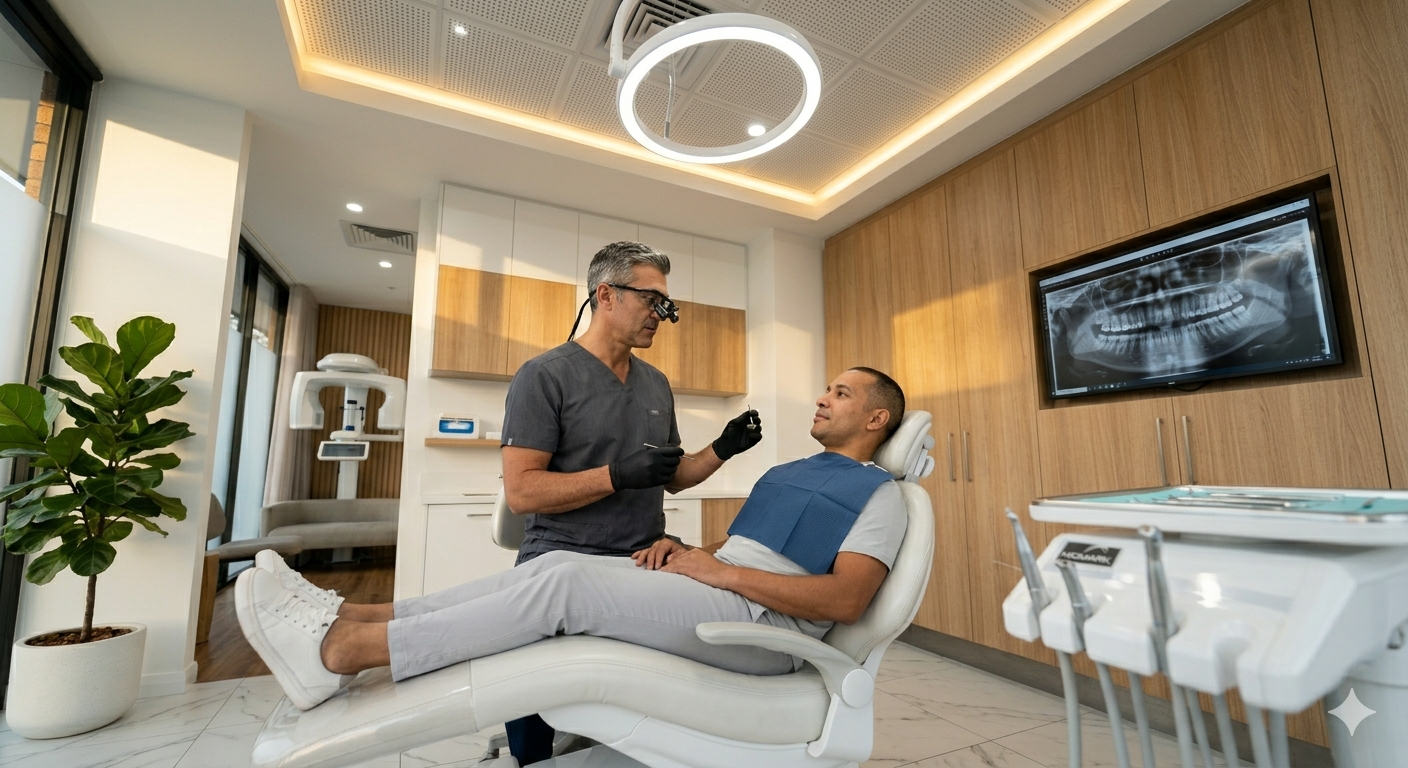
Oral surgery in New Albany typically covers tooth removals, implants, bone grafts, and soft-tissue procedures. Patients can expect clear pre-op instructions, local or IV sedation options, and a focused recovery plan tailored to their health and the procedure.
Types of Procedures Commonly Performed
Common procedures include third-molar (wisdom tooth) extraction, dental implant placement, bone grafting, apicoectomy, and soft-tissue surgery for gum lesions or frenectomy. Wisdom tooth removal often requires sectioning the tooth and suturing the socket; recovery usually involves swelling for 48–72 hours and staged pain control with prescribed or OTC analgesics.
Dental implants replace missing teeth with a titanium post placed into the jawbone. Implant cases may need a simultaneous bone graft or a staged approach with healing time of 3–6 months before the crown. Apicoectomy removes the root tip and infected tissue when root canal therapy fails, with limited swelling and a short antibiotic course if indicated.
Soft-tissue procedures treat gum overgrowth, mucosal lesions, and frenal attachments that affect speech or denture fit. These use local or conscious sedation and often employ sutures or laser for quicker healing and less bleeding.
What to Expect Before and After Surgery
Before surgery, patients complete a health history, any required imaging (panoramic X-ray or CBCT), and receive medication instructions, including whether to stop blood thinners after consulting the prescribing clinician. Fasting instructions apply for IV sedation; local-only procedures often allow normal meals.
Immediately after surgery, expect gauze at the site, mild-to-moderate bleeding for a few hours, and swelling that peaks at 48–72 hours. Follow a soft-food diet, avoid straws and smoking, and use cold packs for the first 24 hours. Pain and antibiotics follow the surgeon’s plan; take all prescribed medications and finish antibiotics when given.
Follow-up visits check healing, remove sutures if non-resorbable, and plan any restorative steps like implant crowns. Report signs of infection, excessive bleeding, or numbness lasting beyond expected timelines. Clear written post-op instructions and a local emergency contact are standard.
The Role of Your Local Dentist
The local dentist coordinates care before and after oral surgery, including referrals to an oral surgeon when advanced procedures are needed. They evaluate restorative needs, plan implant crowns or bridges, and monitor periodontal health to ensure the surgical site integrates well with surrounding teeth.
Dentists also manage preventive measures: professional cleanings, fluoride as needed, and occlusal adjustments to protect a new implant or restoration. They communicate with the surgeon about medical history, medications, and any special considerations like diabetes or anticoagulation to tailor perioperative plans.
Patients benefit from continuity of care: the dentist handles routine follow-ups, adjusts prosthetics, and provides long-term maintenance instructions. They encourage questions, schedule timely restorative work, and coordinate referrals for additional therapy if complications arise.
Immediate Aftercare Essentials
These steps focus on controlling pain, stopping bleeding, and minimizing swelling after oral surgery in New Albany, IN. Follow precise timing, medication instructions, and simple home measures to support healing and prevent complications.
Managing Pain and Discomfort
He should take prescribed pain medication exactly as directed, starting before the local anesthetic wears off when possible. If the surgeon prescribes an opioid, combine it with acetaminophen only as instructed; otherwise, over-the-counter ibuprofen (200–400 mg every 4–6 hours) often controls inflammation and pain well.
Apply a cold pack to the cheek for 15 minutes on, 15 minutes off during the first 24–48 hours to reduce pain. Avoid hard chewing, using straws, or smoking, because suction and pressure can worsen pain and delay healing.
If pain intensifies after initial improvement or becomes sharp and localized several days after surgery, contact the oral surgeon—this may indicate infection or a dry socket. Keep a simple pain log noting medication time and pain level to review during follow-up calls.
Controlling Bleeding Effectively
They must bite gently but firmly on sterile gauze for 30–45 minutes immediately after the procedure to form a clot. Replace gauze only when soaked; excessive changing can dislodge the clot and restart bleeding.
If bleeding persists, use a moistened tea bag (black tea) and bite down for 20 minutes; tannic acid helps clot formation. Keep the head elevated and avoid bending over or strenuous activity for 24–48 hours to reduce blood pressure in the mouth.
If bright red bleeding soaks through gauze after two hours, or if bleeding is heavy and continuous, call the oral surgeon or go to urgent care. Note any blood-thinning medications taken and inform the clinician, as adjustments or local measures may be necessary.
Reducing Swelling with Simple Steps
She should use ice on the outside of the face for 15-minute intervals during the first 48 hours to limit swelling. After 48 hours, switch to warm compresses for 10–15 minutes to encourage circulation and reduce stiffness.
Sleep with the head elevated on two pillows for the first three nights to prevent fluid pooling and facial puffiness. Gentle facial movement and light jaw exercises as instructed by the surgeon help prevent stiffness once acute pain subsides.
Stay hydrated and eat soft, nutrient-dense foods like yogurt, mashed potatoes, and smoothies (no straw). Report increasing swelling, especially with fever or difficulty breathing, right away—those are signs that need urgent evaluation.
Oral Hygiene During Recovery
Maintain gentle, consistent cleaning around the surgical site, control swelling with ice and medication, and watch for signs of infection such as increasing pain, fever, or persistent drainage.
Safe Cleaning Practices
Patients should rinse gently with warm salt water starting 24 hours after surgery: mix 1/2 teaspoon of salt in 8 ounces of warm water and swish for 30 seconds, then spit. Repeat 4–6 times daily, especially after eating, to keep the area clear of food debris and bacteria.
Use a soft-bristled toothbrush and avoid scraping the surgical site. Brush adjacent teeth normally but at a reduced pressure near the wound. If the surgeon prescribes a chlorhexidine rinse, use it exactly as directed—typically twice daily for up to two weeks.
When bleeding is present, place clean gauze with light pressure for 20–30 minutes; do not rinse vigorously. If sutures are present, follow the clinic’s guidance about their care and removal. Attend any follow-up visits so the provider can assess healing and advise on advancing oral care.
What to Avoid to Prevent Infection
Avoid using a straw, spitting forcefully, or smoking for at least 72 hours to prevent dislodging the clot and introducing bacteria. These actions can cause dry socket or allow pathogens to enter the wound.
Do not use over-the-counter oral irrigators (water flossers) near the extraction site until cleared by the surgeon. Also avoid alcohol-based mouthwashes and whitening products for two weeks, as they can irritate tissue and delay healing.
Refrain from chewing hard, crunchy, or sticky foods on the surgery side for 7–14 days. If swelling, fever above 100.4°F (38°C), increasing redness, or purulent discharge occurs, contact the oral surgeon or dental office immediately for evaluation and possible antibiotics.
Nutrition for Better Healing
Good nutrition speeds tissue repair, reduces infection risk, and helps manage swelling and pain after oral surgery. Focus on soft, nutrient-dense options, plenty of fluids, and timing meals to avoid disturbing the surgical site.
Recommended Foods and Drinks
Choose soft, high-protein foods like Greek yogurt, silken tofu, cottage cheese, and blended protein shakes to support collagen formation. Cooked eggs (scrambled) and finely mashed beans provide easy protein without chewing.
Include zinc- and iron-rich options such as pureed lentils and smooth nut butters (if not allergic) to aid immune function. Vitamin C supports wound healing; use strained applesauce, blended mango, or a small glass of fortified orange juice taken slowly.
Stay hydrated with water and electrolyte drinks; avoid carbonation and alcohol for at least 48–72 hours. Warm broths and bone broth supply minerals and calories while soothing tissues.
Avoid seeds, chips, raw vegetables, and sticky candies that can lodge in sockets or require forceful chewing. Also skip hot, spicy, or highly acidic foods for several days to prevent irritation.
Tips for Eating Comfortably
Eat smaller, frequent meals to maintain energy without wide jaw opening or long chewing sessions. Use a straw only if the surgeon says it’s safe—suction can dislodge clots and cause dry socket.
Cool or room-temperature foods reduce swelling and pain; try chilled smoothies, pudding, or cold applesauce in the first 48 hours. Use a spoon and gentle tongue pressure rather than biting down; cut food into small pieces if needed after initial healing.
Keep utensils and plates clean; rinse the mouth with prescribed saline or saltwater after meals to remove debris without vigorous swishing. If chewing becomes possible, favor the opposite side of the mouth from the extraction site and progress slowly to firmer foods as comfort allows.
Activity Guidelines Post-Surgery
Patients should balance rest with gentle movement, avoid strenuous exertion, and watch for signs that normal activity must pause. Following specific timelines for walking, lifting, and returning to work helps prevent bleeding, swelling, and delayed healing.
Rest and Movement Recommendations
He should rest the first 24–48 hours after surgery, keeping the head elevated on pillows to reduce swelling and bleeding. Short, slow walks around the home every 1–2 hours improve circulation and lower the risk of blood clots without stressing the surgical site.
Avoid bending, heavy lifting over 10–15 pounds, and high-impact exercise for at least 7 days or until the surgeon clears activity. Use ice packs for 20 minutes on, 20 minutes off during the first 48 hours to control swelling; switch to warm compresses after 48–72 hours if stiffness persists. If prescribed pain or anticoagulant medication, follow timing and dosing exactly and avoid alcohol or driving while impaired.
Recognizing When to Pause Normal Activities
They should stop normal activities immediately if bleeding soaks through a gauze pad in 30–45 minutes or if swelling increases after 72 hours. Seek care when fever exceeds 100.4°F (38°C), severe uncontrolled pain occurs despite medication, or there is a foul taste or pus indicating possible infection.
Other red flags include numbness that worsens, difficulty breathing or swallowing, or signs of a dry socket (sharp pain radiating to the ear starting 2–4 days post-op). Contact the oral surgeon’s office in New Albany, IN, promptly for instructions or urgent evaluation when any of these signs appear.
Addressing Common Concerns
This section explains practical steps for managing sutures, preventing dry socket, and recognizing when professional care is necessary. Readers will find concrete actions, timing cues, and clear signs that require contacting a dentist or oral surgeon.
Dealing With Stitches
Stitches after oral surgery in New Albany IN are often dissolvable, but some clinics use non-dissolvable sutures that require removal in 7–10 days. Patients should avoid tugging at stitches, eating sticky or hard foods, and using straws; these actions can dislodge sutures and reopen the wound.
Maintain gentle oral hygiene: rinse with a prescribed saline or chlorhexidine solution starting 24 hours after surgery, and brush adjacent teeth carefully with a soft-bristled brush. If bleeding persists beyond 12 hours, apply firm pressure with sterile gauze and contact the clinic.
Watch for signs of infection around stitches: increasing redness, swelling, foul odor, pus, or rising pain after initial improvement. If any of these occur, the practice typically prescribes antibiotics or schedules an in‑office evaluation and possible suture adjustment.
Handling Dry Socket
Dry socket (alveolar osteitis) most commonly occurs 3–5 days after tooth extraction when the blood clot is lost and bone becomes exposed. The primary symptom is severe, throbbing pain radiating to the ear or temple on the same side as the extraction, often accompanied by a visible empty socket and bad taste.
To reduce risk, patients should avoid smoking, spitting, and using straws for at least 7 days, and follow gentle oral care instructions provided by the New Albany clinic. If dry socket develops, the dentist usually places a medicated dressing into the socket to reduce pain and promote healing, sometimes combined with a short course of pain medication.
Pain relief measures at home include taking prescribed analgesics on schedule and using cold packs for swelling during the first 48 hours, then warm compresses to increase circulation if recommended. Prompt contact with the dental office ensures timely dressing changes and faster symptom control.
When to Call Your Dentist
Call the oral surgery office in New Albany IN immediately if bleeding soaks through more than two gauze pads in an hour despite firm pressure. Also contact them for fever above 100.4°F (38°C), severe uncontrolled pain after prescribed medications, or progressive swelling that affects breathing or swallowing.
Seek urgent care if numbness persists beyond expected anesthesia duration, or if there is persistent drainage, a spreading red streak on the face, or difficulty opening the mouth (trismus) that worsens after the first few days. Keep the clinic’s after-hours number handy and report exact symptoms, time of onset, and any medications taken.
For non-urgent but concerning changes—loose stitches, mild increased pain after day three, or questions about diet and activity—schedule a follow-up visit or a phone consult. Prompt communication prevents complications and helps the care team tailor recovery steps to the patient’s needs.
Fostering Long-Term Oral Health
Maintaining oral health after surgery means building reliable daily habits and taking steps to prevent new problems. Practical routines, targeted prevention, and timely professional care keep teeth and gums strong over the years.
Establishing Healthy Routines
They should brush twice daily with a soft-bristle toothbrush and fluoride toothpaste, using gentle circular motions for two minutes to protect surgical sites and enamel. Flossing once daily removes plaque between teeth; use waxed floss or interdental brushes if spaces are tight or if sutures are present.
Rinsing with a saline solution (1/2 teaspoon salt in 8 ounces warm water) after 24 hours helps reduce bacteria and soothes tissues without irritating healing areas. Avoid alcohol-based mouthwashes for at least one week; switch to an antimicrobial rinse only if the surgeon recommends it.
Diet affects healing: choose soft, nutrient-dense foods like yogurt, mashed potatoes, cooked vegetables, and scrambled eggs for the first week. Stay hydrated, limit sugary and acidic foods, and avoid smoking and vaping, which delay tissue repair and increase infection risk.
Schedule a follow-up appointment as directed and maintain regular dental cleanings every six months — or more frequently if the dentist advises — to monitor healing and catch early issues.
Preventing Future Issues
They should manage chronic conditions that affect oral health, such as diabetes or dry mouth, by coordinating care with medical providers. Good blood sugar control and saliva substitutes or prescription treatments reduce the risk of gum disease and decay.
Use protective devices when appropriate: a nightguard for bruxism prevents wear and protects restorations, while a custom athletic mouthguard prevents traumatic injuries. Discuss materials and fit with the dental team for comfort and long-term use.
Adopt preventive treatments recommended by the dentist: topical fluoride applications, dental sealants on molars, and targeted antimicrobial therapies for persistent gum inflammation. Keep a personalized recall schedule and report new pain, swelling, or changes in sensation promptly to ensure early intervention.
Support and Resources in New Albany, IN
New Albany offers accessible oral surgery care, patient-friendly clinics, and community resources that can help with recovery logistics, financial questions, and follow-up care. Residents can find specialist offices, pharmacies, home-health options, and local support groups within a short drive.
Finding Qualified Local Providers
Patients can start with board-certified oral and maxillofacial surgeons in New Albany and nearby Louisville. Look for surgeons who list hospital privileges at King’s Daughters’ or local credentialing, as that indicates experience handling complications. Confirm current licensure and any disciplinary history on the Indiana Professional Licensing Agency website.
Check that a practice publishes procedure-specific recovery instructions, provides clear pricing or financing options, and offers sedation choices (IV sedation, oral sedatives, or local anesthesia). Read recent patient reviews on Google and Healthgrades for comments about post-op communication and pain control. Ask about emergency contact procedures, same-week follow-up availability, and coordination with a primary dentist when implants or bone grafts are involved.
Helpful Community Resources
Pharmacies: CVS, Walgreens, and Kroger in New Albany fill common post-op prescriptions and often offer curbside pickup for pain medication and antibiotics. Call ahead to confirm controlled-substance availability and transfer procedures.
Home care and supplies: Local medical supply stores like Rehab Medical Outlet carry saline rinses, ice packs, and pill organizers. Visiting nurse services through Indiana Visiting Nurse Service can assist patients with limited mobility after major surgery.
Financial aid and insurance: Floyd County Health Department can point to sliding-scale dental clinics and charitable programs. Patients should verify oral surgery coverage with their insurer and ask providers about CareCredit or in-office payment plans.
Transportation and support: Uber, Lyft, and local taxi services provide reliable rides for sedation cases requiring an escort. Community Facebook groups and Nextdoor often have neighborhood recommendations for post-op caregivers and short-term assistance.
Frequently Asked Questions
This section answers practical recovery questions about rest time, dry socket prevention, diet, swelling and pain control, oral hygiene timing, and warning signs that require contact with an oral surgeon.
How many days should I rest after oral surgery before going back to work or school?
Most patients can return to non-physical work or school within 2–3 days after routine extractions or minor oral surgery.
If the procedure was more extensive—multiple extractions, bone grafting, or sedation—plan on 3–7 days off and follow the surgeon’s specific recommendation.
How can I lower my chances of getting a dry socket in the first few days?
Avoid sucking actions: no smoking, vaping, or using straws for at least 72 hours.
Follow the surgeon’s instructions on keeping the blood clot intact, avoid vigorous rinsing, and take prescribed antibiotics if indicated.
What’s safe to eat and drink during the first 48 hours after oral surgery?
Consume soft, cool foods like yogurt, applesauce, smoothies (no straw), mashed potatoes, and blended soups.
Avoid hot, spicy, crunchy, or chewy foods that can dislodge the clot or irritate the site.
How do I manage swelling and pain at home without overdoing it?
Apply ice packs to the outside of the face for 15 minutes on and 15 minutes off during the first 24–48 hours.
Take prescribed or recommended over-the-counter pain relievers as directed, and avoid heavy physical activity for at least 48–72 hours.
When can I brush, floss, or rinse again without disturbing the healing area?
Patients should brush other teeth gently the night of surgery but avoid the surgical site for 24 hours.
Begin gentle saltwater rinses (½ teaspoon salt in 8 ounces warm water) 24 hours after surgery, and resume careful brushing and flossing around the area after 3–5 days or as directed.
What warning signs mean I should call my oral surgeon right away during recovery?
Contact the surgeon for heavy bleeding that soaks through gauze after an hour, severe uncontrolled pain, or signs of infection such as fever, increasing swelling, or foul taste/odor.
Also call if numbness persists beyond the expected time, difficulty breathing or swallowing develops, or if stitches come loose prematurely.