
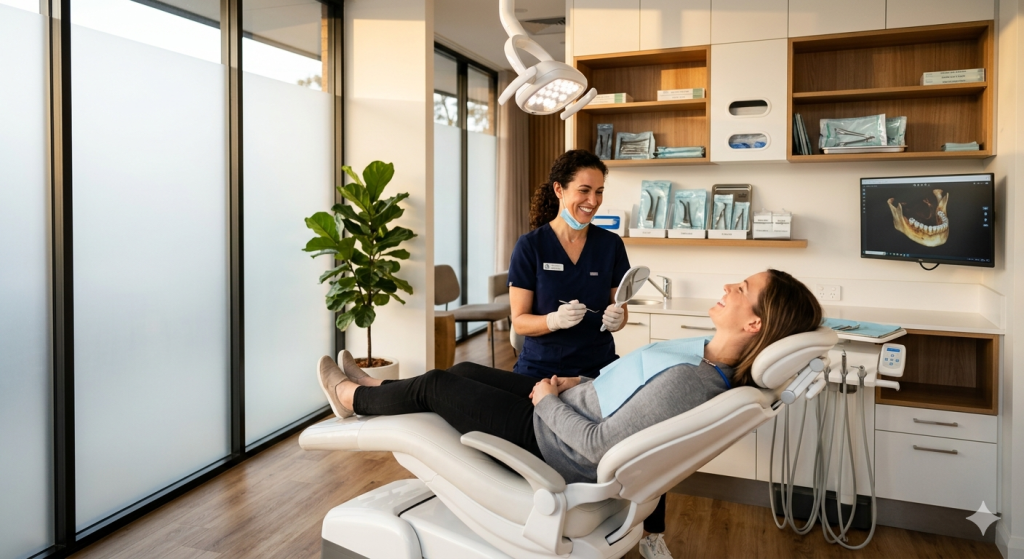
When a dental emergency strikes in New Albany, IN, knowing where to turn can ease both pain and worry. An emergency dentist in New Albany is available to provide prompt care for sudden toothaches, broken teeth, or other urgent dental issues. This quick response helps prevent further damage and keeps patients comfortable.
Local emergency dentists focus on treating common urgent problems with compassionate, effective solutions. They use modern equipment and gentle techniques to make the visit as stress-free as possible, whether a patient needs a repair, pain relief, or guidance on what to do next.
For those unexpected moments when dental pain or injury occurs, having reliable contact information and knowing what to expect can make all the difference. Consulting an emergency dentist early often leads to better outcomes and peace of mind.
Signs You Need Emergency Dental Care
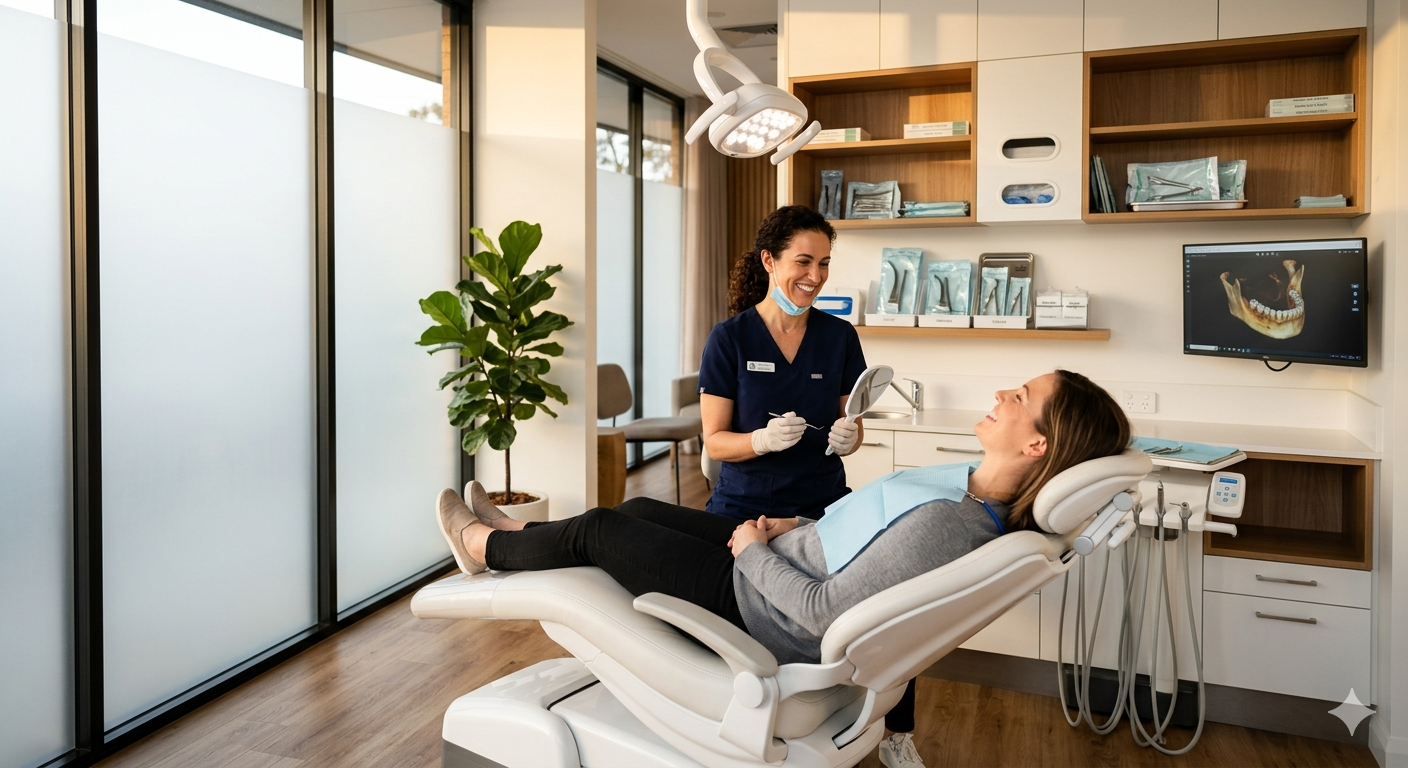
Certain dental issues require immediate attention to prevent further damage or pain. Recognizing these key warning signs can help patients get timely care and avoid complications.
Sudden Tooth Pain
Sudden, severe tooth pain often signals an urgent problem. It can mean a deep cavity, an infection, or damage to the tooth’s nerve. If the pain is sharp or throbbing and doesn’t improve with over-the-counter painkillers, it’s important to see a dentist promptly.
Pain that worsens when biting or touching the tooth can indicate a crack or abscess. Ignoring sudden tooth pain may lead to worsening infection or tooth loss. Early treatment focuses on relieving pain and addressing the root cause to protect overall health.
Broken or Knocked-Out Teeth
A broken or knocked-out tooth is an obvious dental emergency. If a tooth is chipped but the damage is minor, a dental visit within 24 hours is still necessary to prevent infection. For teeth completely knocked out, quick action increases the chance of saving the tooth.
Patients should rinse the tooth gently, avoid touching the root, and try to place it back in its socket or keep it in milk until they reach the dentist. Immediate professional care can improve outcomes through reimplantation or restoration.
Swelling and Abscesses
Swelling in the gums, face, or jaw often signals an infection, especially if accompanied by pain or a bad taste in the mouth. An abscess is a pocket of pus caused by bacterial infection that requires emergency treatment to stop its spread.
Left untreated, an abscess can lead to serious health issues beyond dental damage. Antibiotics, drainage, and sometimes tooth extraction may be needed. Patients noticing swelling should not delay and seek emergency dental care as soon as possible.
Types of Dental Emergencies
Dental emergencies can range from sudden injuries to urgent situations involving pain or bleeding. Knowing what to expect and how to respond can help reduce anxiety and ensure timely care.
Accidental Injuries
Accidental injuries often happen during sports, falls, or unexpected impacts. These injuries can include chipped, cracked, or knocked-out teeth. Immediate action is critical, especially if a tooth is completely displaced.
If a tooth is knocked out, it’s important to keep it moist—ideally in milk or saliva—and see a dentist within an hour. For chips or cracks, the dentist will assess the damage and provide treatments like bonding or crowns to restore function and appearance. Pain, swelling, or difficulty chewing should prompt urgent attention to avoid complications.
Lost Fillings or Crowns
Losing a filling or crown is a common dental emergency that can cause discomfort and expose the tooth to further damage. A lost filling creates a gap where food particles and bacteria can get trapped, increasing the risk of decay.
When a crown falls off, it may still be intact and can often be temporarily reattached at home with dental cement from a pharmacy. However, a dental visit is necessary to properly reseat or replace the restoration. In both cases, avoiding chewing on the affected side helps protect the tooth until treatment.
Uncontrollable Bleeding
Uncontrollable bleeding in the mouth after trauma or dental surgery requires immediate attention. Normal bleeding should slow within 20 to 30 minutes with gentle pressure, but excessive bleeding can indicate serious tissue damage or clotting problems.
Applying firm pressure with a clean cloth or gauze is the first step. If bleeding persists despite this, a dental professional should be contacted right away. They have the tools and expertise to manage bleeding safely and prevent further complications, especially in patients on blood-thinning medications.
What To Expect During an Urgent Dental Visit
When you arrive for an emergency dental visit in New Albany, the dentist will quickly identify the problem, focus on easing your discomfort, and offer treatments that can start the same day. The goal is to get you out of pain and prevent further damage efficiently and safely.
Evaluation and Diagnosis
The dentist begins by asking about your symptoms and the details of your dental emergency. They perform a careful examination, often including X-rays, to understand the cause and extent of the issue. This helps pinpoint problems like broken teeth, infections, or abscesses.
Accurate diagnosis is crucial. It guides the dentist in prioritizing treatment steps and determining if referral to a specialist is necessary. Patients should expect clear explanations about their condition and the recommended approach.
Pain Relief Methods
Pain management is a top priority during an emergency visit. Depending on the severity, the dentist may use local anesthesia to numb the affected area or prescribe fast-acting painkillers. Over-the-counter options like ibuprofen are common but might be supplemented with stronger medications when needed.
For some cases, cold compresses and gentle rinses with salt water help reduce swelling and discomfort. The dentist also advises on safe home care practices that support healing until full treatment can be completed.
Available Same-Day Treatments
Several urgent treatments can often be completed in one visit to restore comfort and function. These include repairing chipped or fractured teeth with bonding or crowns, draining abscessed gums, or performing root canal therapy to save infected teeth.
Temporary fillings or dressings might be placed to stabilize damage until a permanent solution is scheduled. The dental team focuses on stopping pain and preventing infection, setting the stage for follow-up care if necessary.
How Emergency Dentists Prioritize Patient Comfort
Emergency dentists focus on more than just treating urgent dental issues. They also take important steps to keep patients comfortable, calm, and informed during stressful visits.
Gentle Care Techniques
Emergency dentists use techniques designed to minimize pain and discomfort. They apply topical anesthetics before injections to reduce the sting and use the latest tools that work quickly and precisely. These steps help patients avoid unnecessary pain during procedures like tooth extractions or cavity treatments.
They also work patiently, explaining each step in simple terms to ease anxiety. Gentle touch and careful handling of sensitive areas are priorities, especially for patients already in pain. This personalized attention helps make even emergency care less intimidating.
Stress-Reducing Amenities
Many emergency dental offices offer amenities aimed at lowering patient stress. They might provide soft blankets or noise-canceling headphones to create a more relaxing environment. Some clinics have calming lighting and soothing background music to help patients feel more at ease.
Waiting areas often include comfortable seating and access to water or tea. Knowing there are small comforts available can make a big difference when patients are nervous or experiencing discomfort.
Personalized Follow-Up Guidance
After emergency treatment, dentists provide clear instructions tailored to each patient’s needs. They explain how to manage pain, care for treated areas, and what signs to watch for that might need another visit. This guidance ensures patients feel confident during recovery.
Dentists encourage questions and often offer easy ways to reach out for advice if concerns arise. This follow-up focus reassures patients that support continues beyond the appointment, helping them avoid complications and return to normal comfortably.
Preventing Dental Emergencies
Taking the right steps each day can greatly reduce the chance of sudden dental problems. Small daily habits, protective gear during activities, and regular dental visits work together to keep teeth safe from injury and decay.
Everyday Oral Care Habits
Brushing teeth twice daily with fluoride toothpaste helps remove plaque and prevent cavities, which can lead to pain or infection if untreated. Flossing once a day is essential to clear food particles and bacteria from between teeth, areas a toothbrush can’t reach.
Avoid chewing on hard objects like ice or pens, as these can crack or chip teeth. Drinking plenty of water throughout the day also helps wash away debris and maintain saliva flow, which protects enamel. Using a soft-bristled brush minimizes gum irritation while effectively cleaning.
Protective Gear for Sports
Wearing a custom-fit mouthguard is critical during contact sports or activities with a high fall risk. Mouthguards cushion blows to the face, reducing the chance of broken or knocked-out teeth.
Helmets with face guards add an extra layer of protection, especially in sports like football, hockey, or cycling. Even for non-contact sports, a mouthguard can prevent injuries from accidental collisions or falls.
Parents should ensure children have properly fitted protective gear and replace guards as needed, especially when teeth or jaws grow.
Routine Checks and Cleanings
Regular dental visits every six months allow early detection of potential issues before they become emergencies. Dentists check for loose fillings, tooth decay, or signs of infection that could cause sudden pain if left untreated.
Professional cleanings remove hardened plaque (tartar) that can cause gum disease and weaken tooth support. These visits also provide an opportunity to discuss any discomfort or changes in oral health.
Establishing a recall schedule with a trusted dental office ensures care stays consistent, preventing avoidable dental emergencies.
Finding the Right Dental Expert in New Albany IN
Choosing a dental expert during an emergency means focusing on trustworthiness, quick response, and quality care. It’s important to know what skills matter, how easy it is to access help nearby, and what steps to take before the visit to ensure a smooth experience.
Qualities to Look For
A good emergency dentist in New Albany should be licensed and experienced in urgent dental care. Look for professionals who have handled a wide range of dental emergencies, from severe toothaches to broken teeth.
Patient comfort should be a priority. Many dentists use modern, minimally invasive techniques and offer a warm environment to ease stress. Clear communication and willingness to explain treatment options are also key qualities.
Check for positive reviews and ask about their approach to pain management. Availability outside regular office hours is crucial, so confirm if they offer evening or weekend slots.
Understanding Local Availability
New Albany has several dental clinics, but not all provide emergency services. Identifying which ones accept walk-ins or offer 24/7 emergency access saves precious time.
Most emergency dentists in this area will offer same-day appointments. Some may have a dedicated emergency hotline, which makes contacting them simpler during off-hours.
Location also matters. Clinics closer to home or work reduce travel time when pain or injury strikes suddenly. Verify if they accept your insurance or provide flexible payment plans to avoid financial strain.
How to Prepare for Your Visit
Before heading to an emergency dentist, gather important information: a list of current medications, any allergies, and your dental history. This helps the dentist make safer decisions quickly.
If possible, take photos of the problem area. This can help explain your situation over the phone when scheduling. Bring a pain scale or notes on symptoms to communicate discomfort precisely.
Arrive as soon as possible to prevent complications. Avoid eating or drinking if you suspect a tooth abscess or injury, and carry any relevant dental records, including recent X-rays, if available.
Next Steps for Your Dental Health
After an emergency dental visit in New Albany, IN, it’s important to follow your dentist’s instructions carefully. This helps prevent further complications and supports faster healing. If pain or swelling continues, scheduling a follow-up appointment is a smart move.
Maintaining good oral hygiene is key. Brushing twice daily, flossing, and using a mouthwash can protect your teeth and gums from future problems. A healthy routine also reduces the chance of emergencies down the road.
If any dental work was done, such as a filling or extraction, your dentist may recommend avoiding certain foods for a few days. Soft foods, plenty of water, and avoiding tobacco products can make a big difference in recovery.
Here’s a simple checklist to keep in mind:
- Take prescribed medications as directed
- Avoid chewing on the side of your mouth that’s healing
- Use ice packs to reduce swelling if needed
- Contact your dentist if symptoms worsen or do not improve
Visiting your dentist regularly for checkups and cleanings ensures small issues don’t turn into emergencies. Modern dental care offers gentle treatments that prioritize comfort and long-term oral health. They encourage patients to ask questions and discuss any concerns openly.
Encourage your dental provider to help create a personalized prevention plan. This way, staying ahead of dental problems becomes easier and less stressful.
Frequently Asked Questions
Knowing when to act quickly and how to handle sudden dental issues can make a big difference. Timely care, clear steps after injury, availability of urgent treatment, and understanding costs all play key roles in managing dental emergencies effectively.
What counts as a true dental emergency versus something that can wait until regular office hours?
True dental emergencies include severe pain, uncontrolled bleeding, swelling that affects breathing or swallowing, and knocked-out teeth. Minor issues like slight discomfort, lost fillings, or broken dentures can usually wait.
If I don’t have a regular dentist, what should I do first when a tooth problem suddenly hits?
Start by calling an emergency dental clinic that offers walk-in or same-day appointments. Many clinics prioritize urgent cases and can guide you through initial steps over the phone.
Can I be seen the same day for a severe toothache, swelling, or suspected infection?
Yes, most emergency dentists in New Albany IN reserve slots for urgent cases. They aim to provide prompt relief, especially for infections or intense pain that need immediate attention.
What should I do right now if I chip, crack, or knock out a tooth to improve the chances of saving it?
Rinse your mouth with warm water and apply gentle pressure to stop bleeding. For a knocked-out tooth, hold it by the crown, rinse gently, and try to place it back or keep it moist in milk or saliva until you reach the dentist.
Do you offer after-hours or weekend help, and how does urgent dental care work when the office is closed?
Many emergency dentists provide after-hours phone support and weekend appointments. If the office is closed, they often have a call line or refer patients to a 24/7 emergency facility.
How much does an emergency dental visit typically cost, and what payment or insurance options are available?
Costs vary depending on treatment complexity but expect an initial exam fee plus charges for procedures. Most clinics accept major insurance plans, offer payment plans, or provide financing options to ease affordability.